Santé Solaire
Improved healthcare in West Africa
Many health centres in Burkina Faso, Niger, Senegal and Togo do not have a reliable power supply – with fatal consequences, especially for mothers and children. Santé Solaire is equipping 42 facilities with solar systems. In this way, the programme is improving healthcare for over 290,000 people in a sustainable and climate-friendly way. In addition, a regional competence centre is being established to pool knowledge, train skilled workers and permanently anchor photovoltaics in the healthcare sector.
Light for Huiléhoé
Togo
Experience first-hand the installation of a solar system at a rural health centre in Togo: In this video, local people give direct insights into the Santé Solaire programme.
Context and challenges
In sub-Saharan Africa, more than half of all health centres have no or only unreliable access to electricity. This is one of the biggest hurdles to functioning medical care.
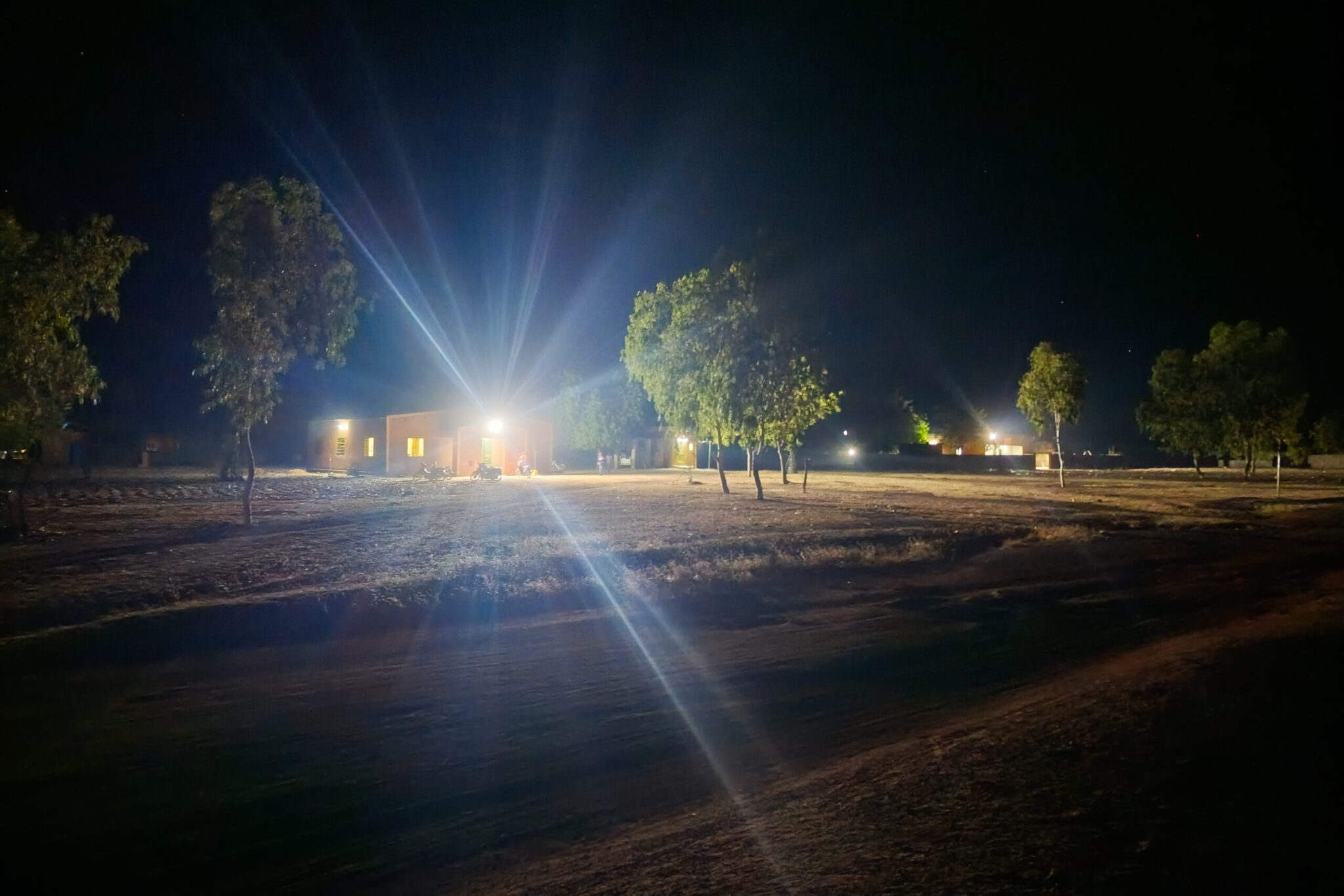
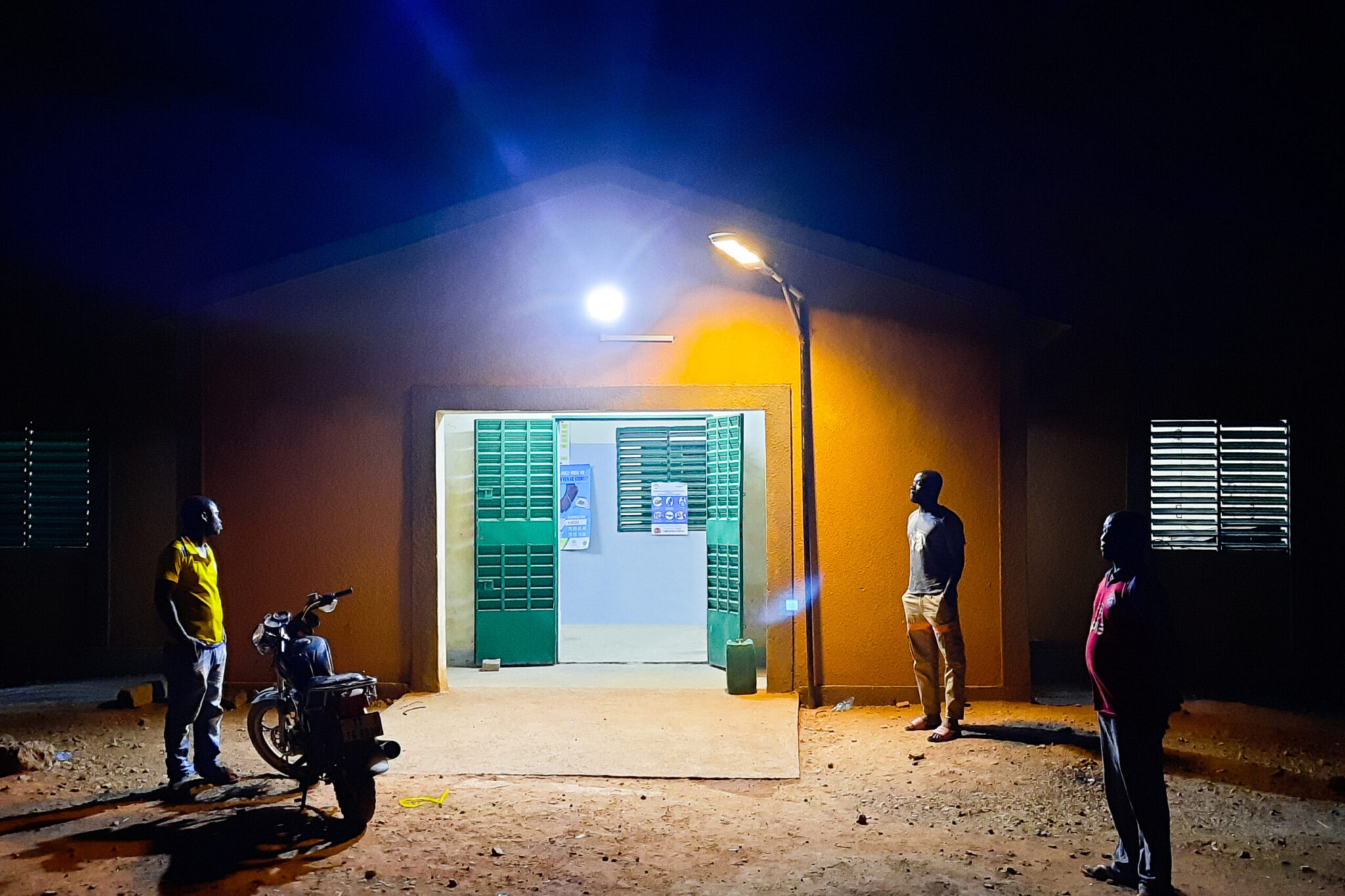
When night falls, many of these facilities are in the dark. Due to the lack of alternatives, healthcare staff often resort to emergency solutions such as flashlights or expensive, environmentally harmful diesel generators.
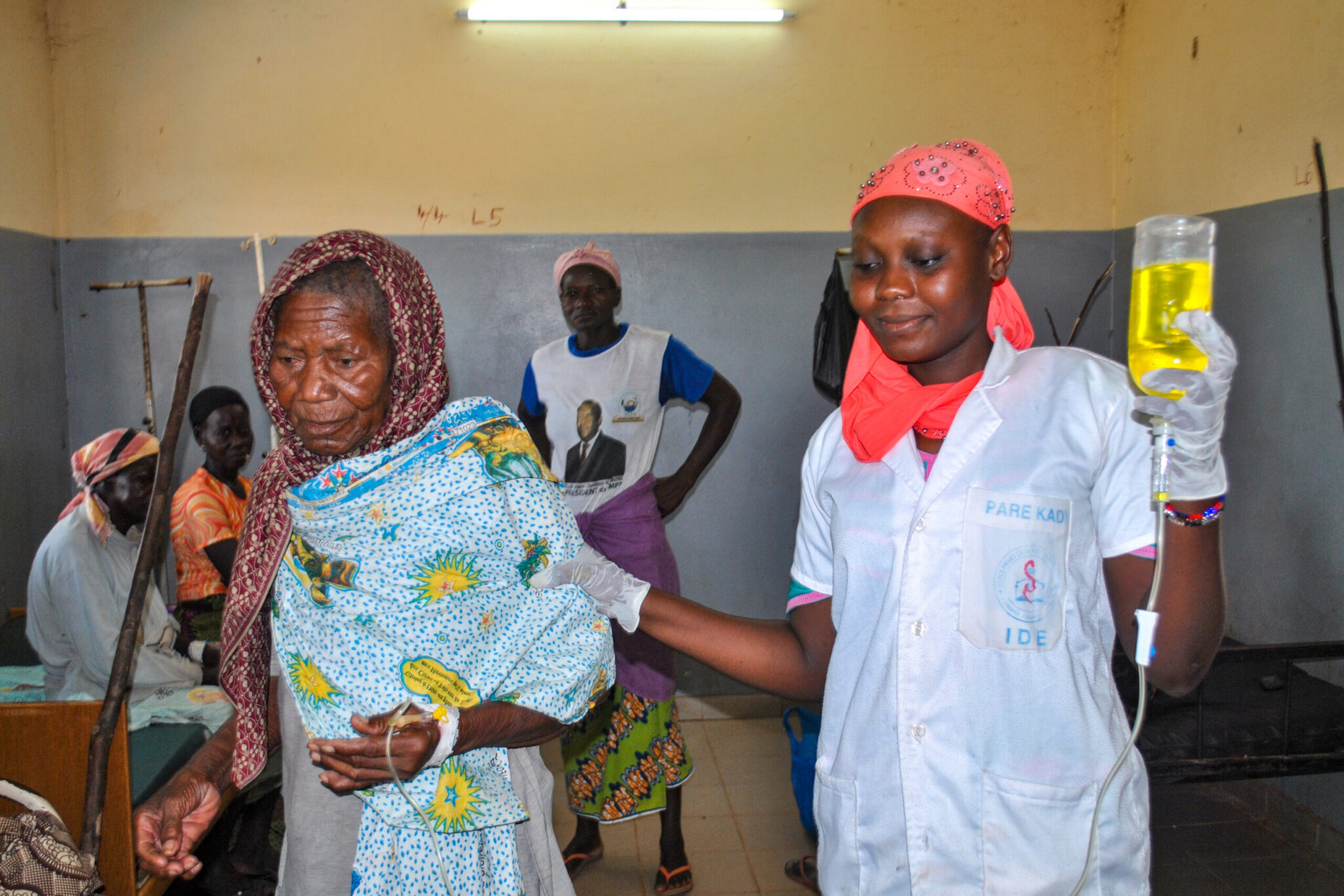
A lack of light significantly impairs the quality of care, makes emergency treatment more difficult and endangers patients – especially women giving birth and newborn babies – with sometimes fatal consequences.
Electricity is not a luxury in healthcare facilities. It is a prerequisite for saving lives.

Our approach
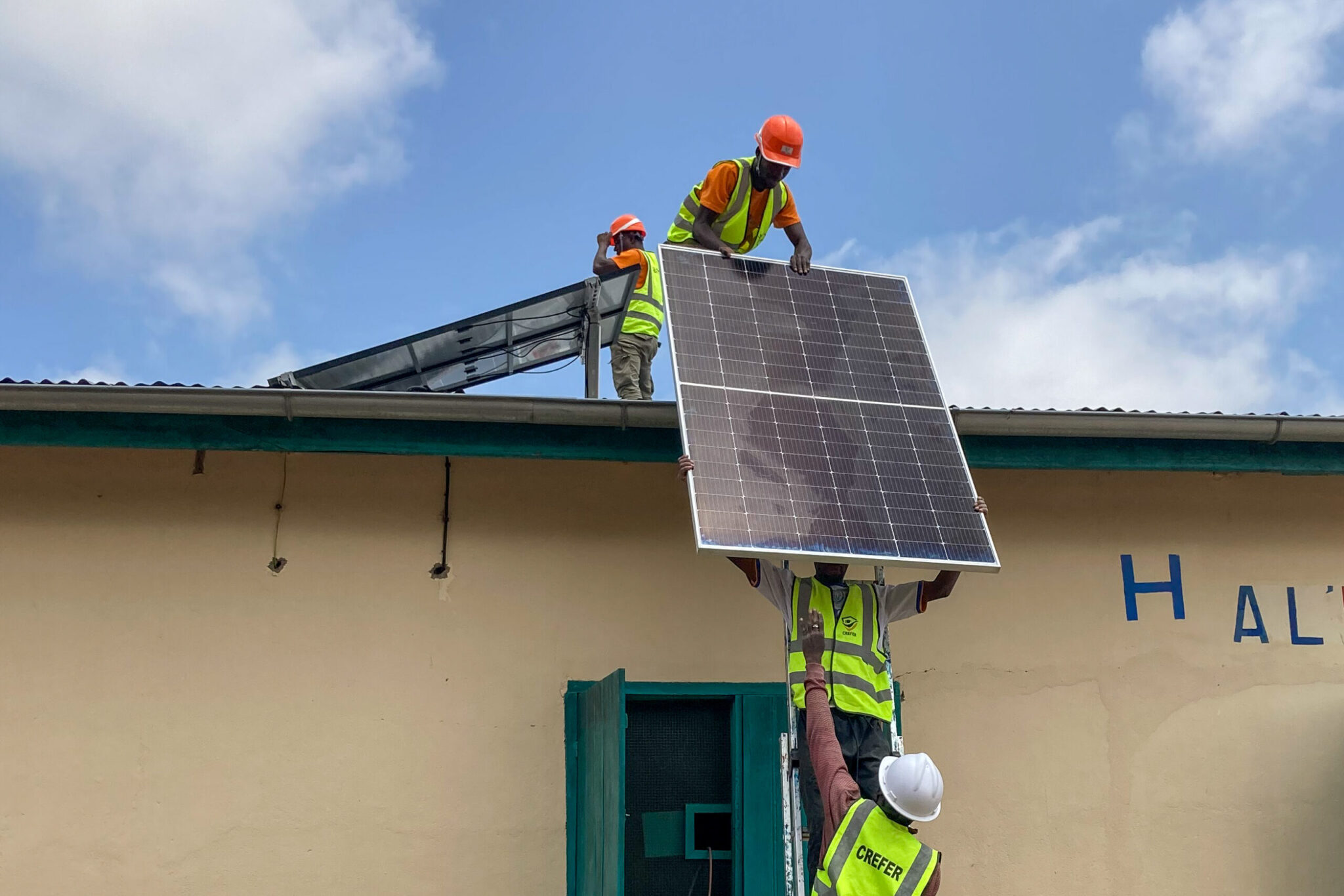
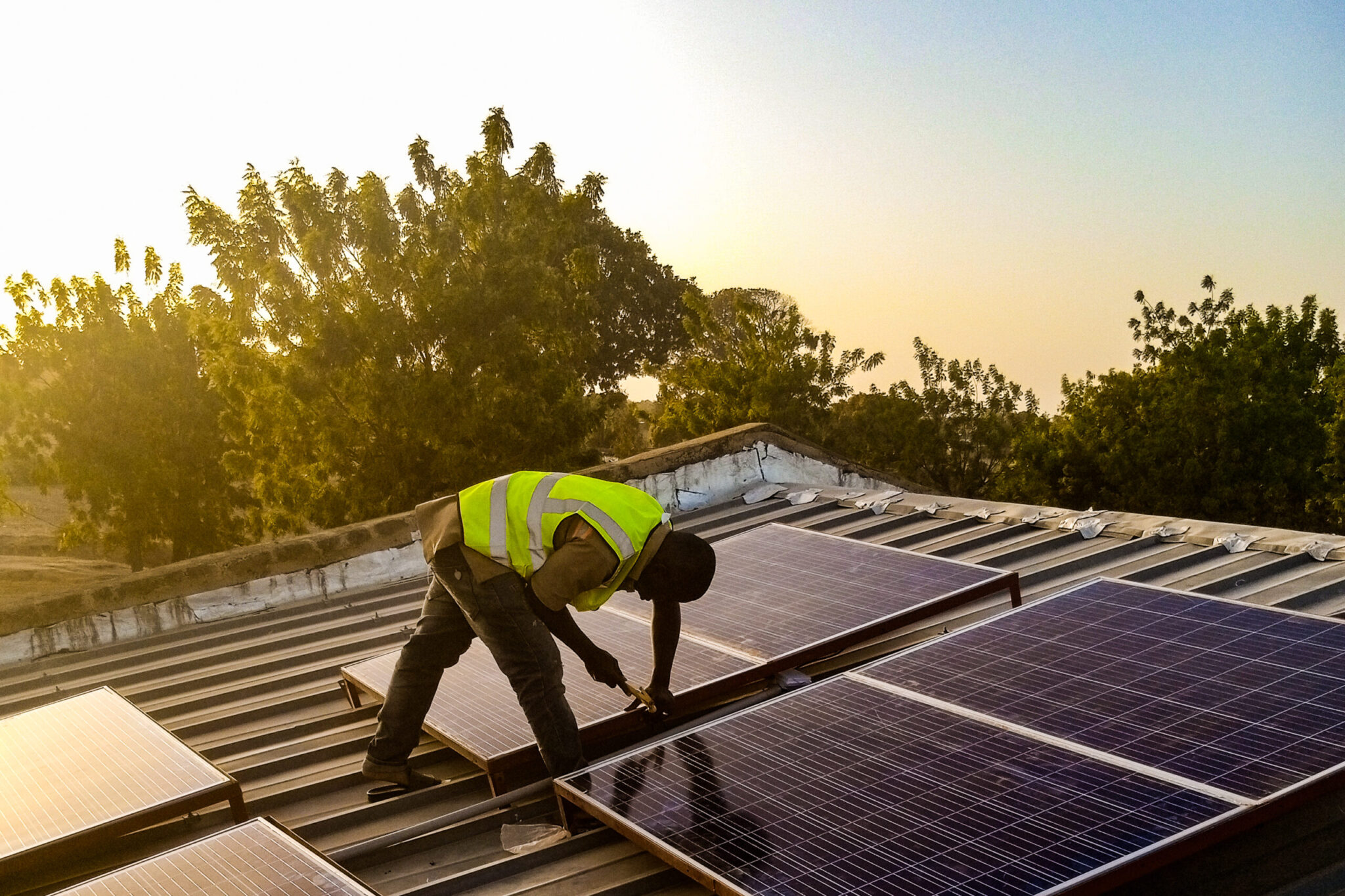
The Santé Solaire programme harnesses the power of the sun to supply healthcare facilities with sustainable, uninterrupted energy. Within four years, 42 health centres in Burkina Faso, Niger, Senegal and Togo will be equipped with high-quality solar systems. They provide light indoors and outdoors, ensure the cooling of vaccines and enable the operation of ventilators and medical devices.
Health staff are repeatedly trained in the operation, maintenance and use of the systems. Local solar companies carry out repairs when necessary. To ensure that the systems function in the long term, the programme involves local actors and integrates the population in planning and implementation. It also promotes the exchange of knowledge between the programme countries in order to learn from each other and exploit synergies.
At the same time, a regional competence centre is being established in Dakar (Senegal). It pools expertise, strengthens local capacities and anchors photovoltaics in the healthcare sector in the long term. The centre promotes the exchange of experience, disseminates best practices, qualifies solar experts and offers technical advice.
Since
Annual budget
Current programme phase
Implementation partner
- Entreprise SETHI, Burkina Faso
- Kekeli (club), Togo
-
Association Conscientization et Réflexion pour la Promotion de l'Elevage (ACRPE), Niger
- Association LERNA, Senegal
Targets 2026-2029
42 health centres are supplied with reliable, on-demand and sustainable solar power.
Access and quality of healthcare have improved in 42 municipalities with a total of 290,000 inhabitants.
The skills of 48 technicians, municipal representatives and specialists for operation and maintenance have been strengthened.
A regional competence centre has been set up in Senegal with advisory and training services.
A digital platform provides information on the solar electrification of healthcare facilities.
Effect
The effect of Santé Solaire can be seen in everyday life at health centres – where reliable light can save lives. Healthcare staff can work safely at night, medical interventions become more precise and less risky, and patients seek help after dark – without having to wait until morning.
In the previous phases of the program, 67 health centres have already been equipped with solar systems. As a result, hundreds of thousands of people now have better access to healthcare.
A doctor from the Toangha health centre in Burkina Faso reports: “In the past, I often had to improvise in order to insert an infusion in complete darkness. That was risky. Thanks to the solar system, that’s a thing of the past.”
Light is also changing everyday life outside the treatment rooms: “At night, we now orient ourselves by the light of the health centre in our village. Children even come to study in the evening – it has become a meeting place,” says Mariam, a patient at the Gorpilla health centre in Burkina Faso.
Santé Solaire combines solar electrification with knowledge exchange and local capacity building. This reduces supply gaps in the healthcare sector, strengthens healthcare systems and contributes to climate protection.
Would you like to find out more about this project?
290,000 people

Your donation makes a difference
Our projects are only possible thanks to your support.
Follow us on social media
Newsletter
You will receive an email about twice a month with updates from our projects.