
Reducing energy poverty
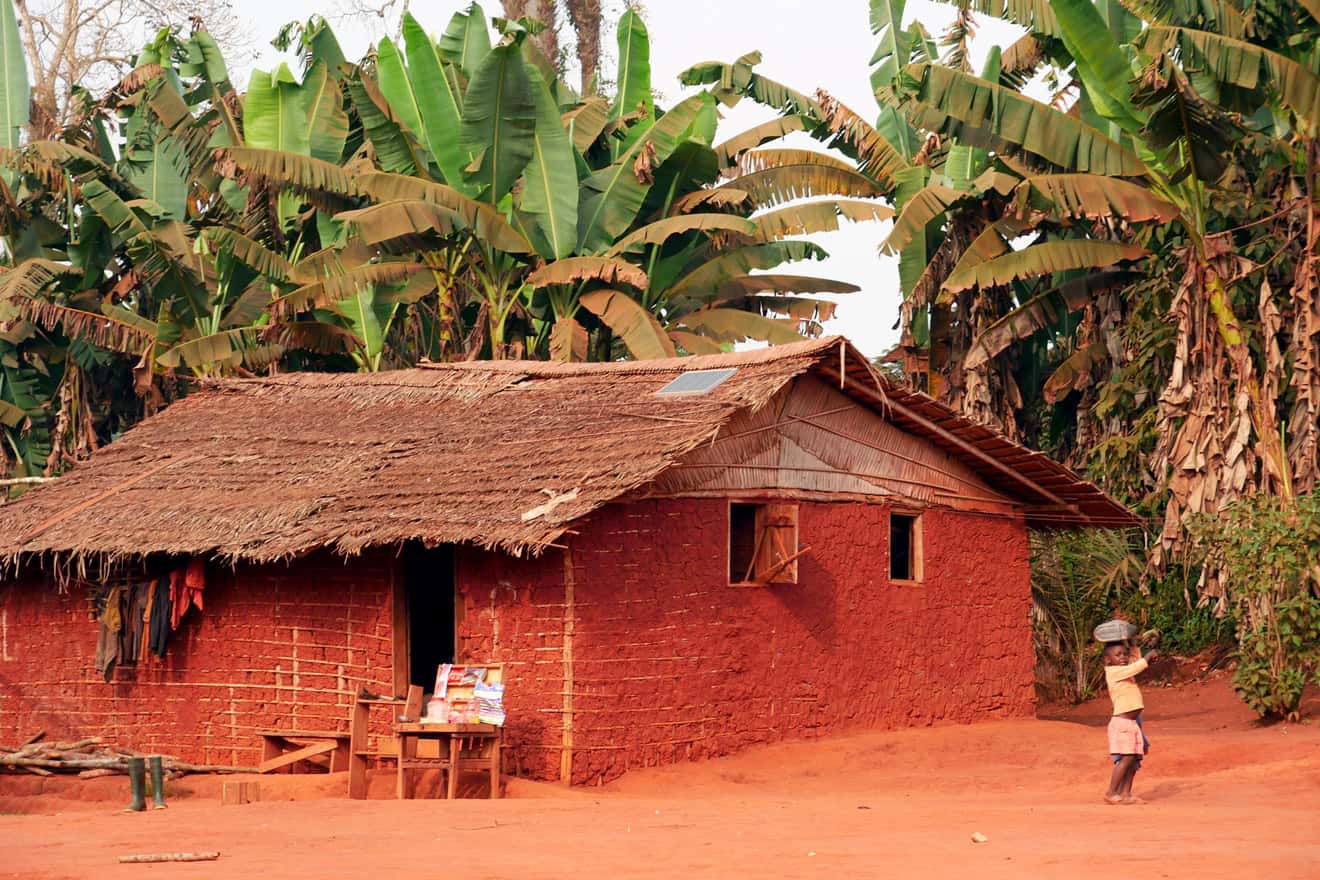
Access to electricity changes lives - and is long overdue
Around 685 million people worldwide live without electricity – over 80% of them in Africa. Rural regions south of the Sahara are particularly affected. Without electricity, there is not only a lack of light after sunset, but also the basis for education, health care, economic development and social security.
Energy poverty is not a marginal issue, but one of the most pressing development problems of our time. Without electricity, medicines cannot be cooled, births cannot be safely attended at night, schoolwork cannot be done and machines cannot be operated. Millions of people are thus excluded from opportunities and development.
Facts about energy poverty
- Without electricity worldwide: around 685 million people have no access to electricity.
- Africa is particularly affected: around 565 million people in sub-Saharan Africa live without electricity - that is over 85% of all people without access to electricity worldwide.
- Slow progress: since 2010, the electrification rate in sub-Saharan Africa has risen from 33% to 53% - but the absolute number of people without electricity remains virtually unchanged.
Why solar energy is making a difference in Africa
Energy poverty robs opportunities: without electricity, education is lacking because children cannot learn after dark. Health centres are inadequately equipped – vaccines cannot be refrigerated, births cannot be safely attended at night. Women and girls spend hours collecting fuel instead of having time for school or earning an income. Economic development also remains blocked: Machines do not run, digital services are inaccessible.
Solar energy offers the solution here. Decentralised, fast and cost-effective, it brings electricity exactly where it is most urgently needed. A cohort study published in 2025 in Kenya and Nigeria with over 2,600 respondents is the first to comprehensively demonstrate the impact of solar mini-grids:
- Income: median income quadrupled thanks to new jobs, small businesses and more productive agriculture.
- Health: fewer kerosene lamps and risky energy sources led to better health.
- Gender roles: women gained more decision-making power.
Stories of change begin with electricity – from children who can study at night, to safe births, to small businesses that grow.
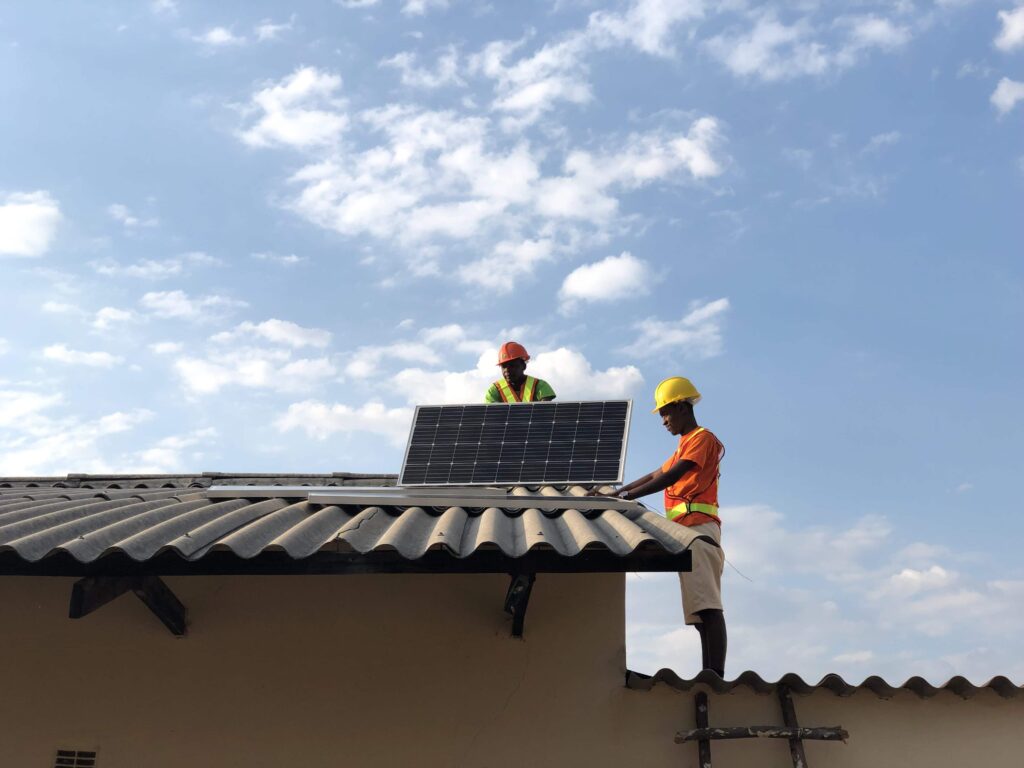
How Solafrica effectively reduces energy poverty
Our projects are never just about technology, but always about education, equality and independence:
- Training: young adults – many of them women – learn solar technology and bring it to their communities.
- Ensuring reliable energy: schools, health centres and villages receive solar systems that are operated and maintained over the long term.
- Anchoring responsibility locally: together with local organizations, we focus on training, knowledge transfer and local responsibility.
Electricity not only brings light, but also opportunities. Experience in our projects how people are overcoming energy poverty step by step.
Insight into our projects
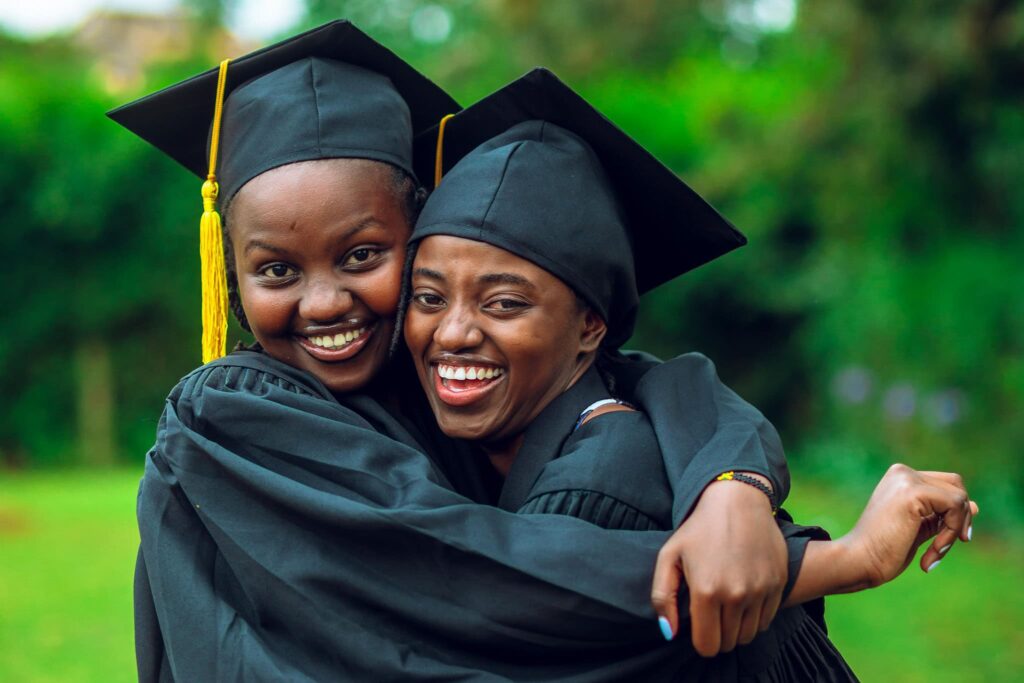
Kenya
Women in Kenya are learning solar technology and creating new independence for themselves. With their knowledge, they are bringing light into their communities and opening up new opportunities.
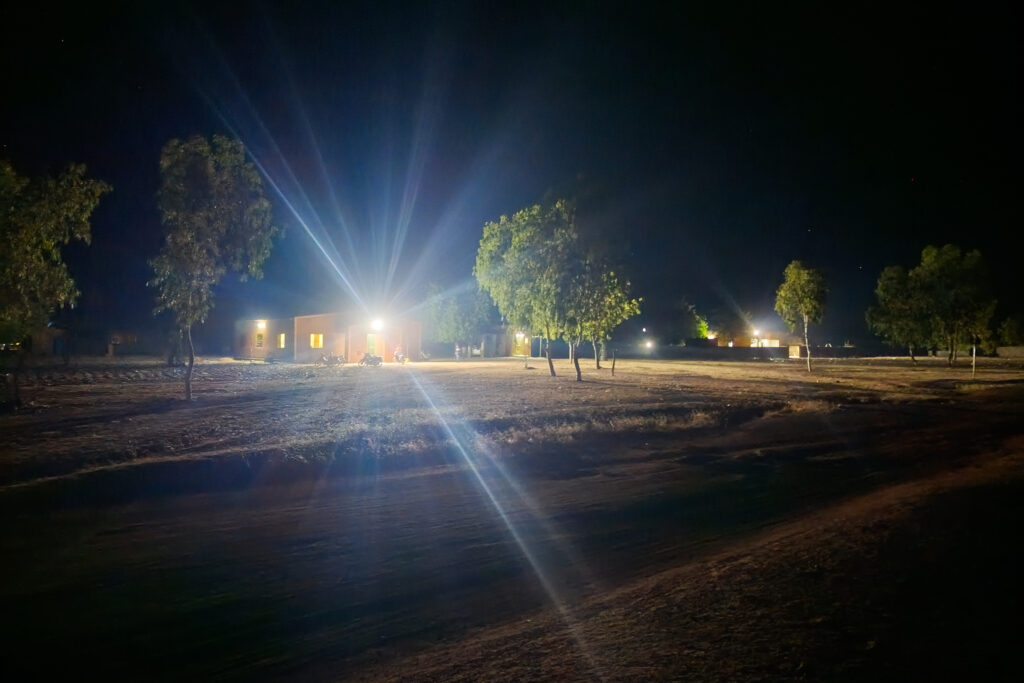
Burkina Faso, Niger, Togo
Solar power brings light to rural health centres, which are often the first port of call for women and children in particular. This makes medical help safer – especially for births and emergencies at night.
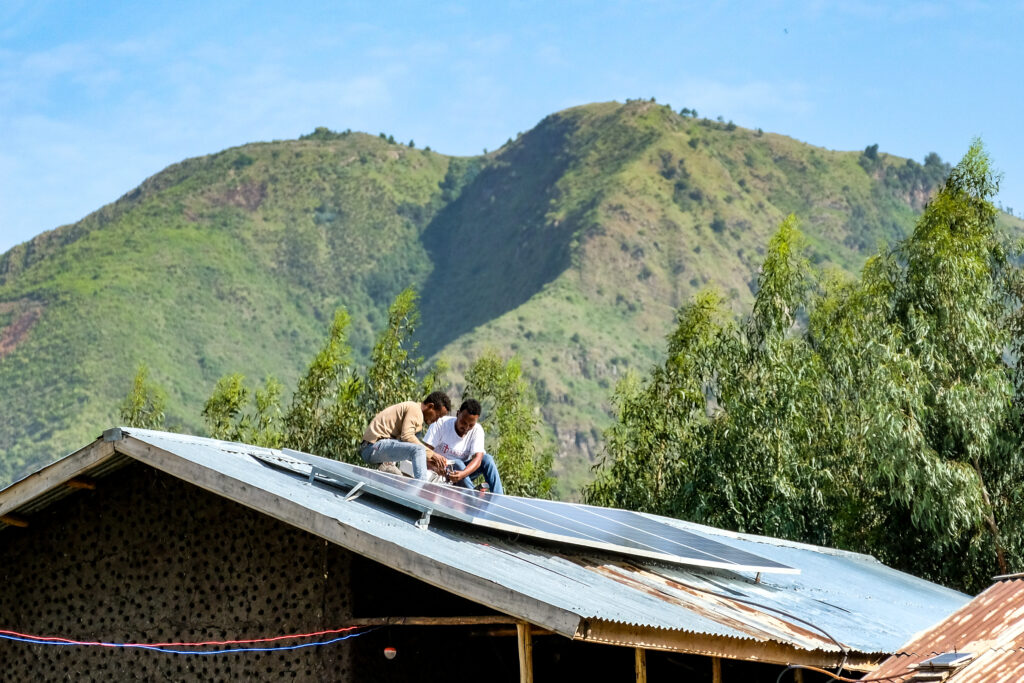
Ethiopia
Young adults in Ethiopia are building their own future by training in solar technology. They supply schools, health centers and villages with sustainable energy.
Your donation works
Our projects are only possible thanks to your support.
Follow us on social media
Newsletter
You will receive an email about twice a month with updates from our projects.